The lacemaking tradition traces back to Europe and the Mediterranean in the 15th century. It made its way to Lepoglava, a city in northern Croatia, in medieval times, and then to the Benedictine nuns on the islands of Pag and Hvar.
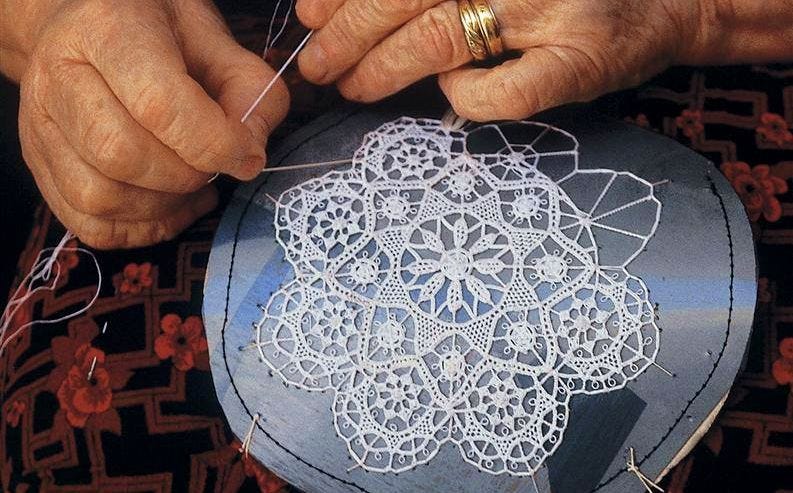
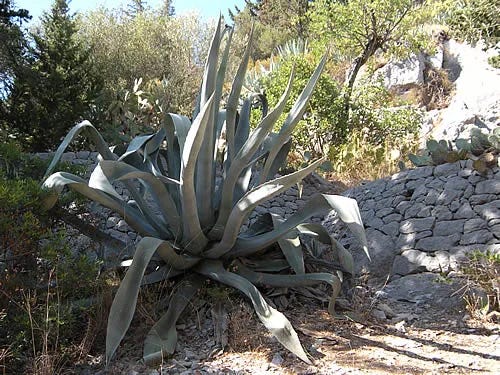
Lepoglava lace is known for its variety and delicacy. Pag lace is made of very fine thread and is mainly used to decorate, forming its high value. Lace from the island of Hvar is still cherished by the nuns, it is said that they use a special method to extract threads from the spiky agave plant that’s commonly seen on the island.
These delicate pieces were originally used to decorate religious spaces, and only the wealthy could afford them. Over time, the nuns started teaching folks knitting skills, and soon lace became a part of tablecloths, ornaments, and traditional clothing.
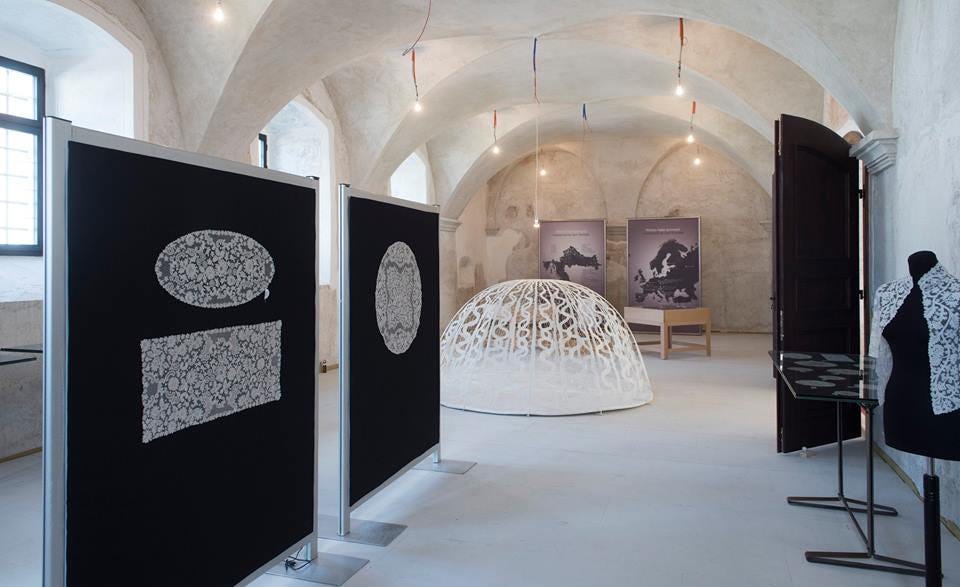
An international lace festival is held in Lepoglava every September, honoring the lacemaking culture.
References
https://craftatlas.co/crafts/croatian-lacemaking
https://croatia.hr/en-gb/unesco/lacemaking-croatia
https://ich.unesco.org/en/RL/lacemaking-in-croatia-00245
https://www.croatialace.com/lace-in-croatia/
https://gohvarblog.com/2013/06/26/the-fine-art-of-agave-lace/
https://www.croatiaweek.com/21st-international-lace-festival-in-lepoglava/

請先 登入 以發表留言。