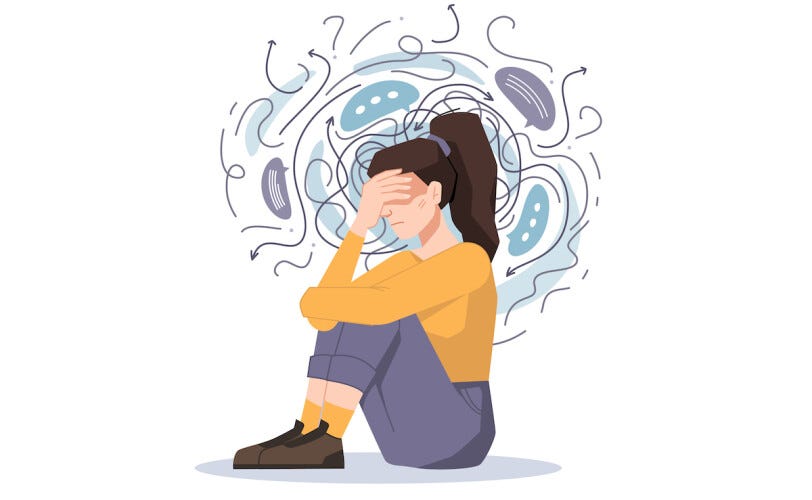
An estimated number of 374 million people all around the world are struggling with anxiety. In a world filled with constant stimulation and uncertainty, it has become an increasingly common aspect of modern life.
In today's discussion, we'll be talking about anxiety, its neurobiological aspect, and how we can deal with it.
What is anxiety?
Anxiety is a mental health condition caused by intense, excessive, and persistent worry or fear about everyday situations. A feeling of intense anxiety and fear that reaches a peak within minutes is what we know as a panic attack.
Common anxiety disorders include General Anxiety Disorder (GAD), Obsessive-Compulsive Disorder (OCD), Post-Traumatic Stress Disorder (PTSD), phobias, and panic disorders.
What causes anxiety? The Neurobiological Definition
The nervous system has two main parts: The central nervous system (CNS), which is made up of the brain and spinal cord, and the peripheral nervous system (PNS), which is made of nerves that branch off from the spinal cord and throughout the entire body.
There are three main parts of the nervous system that affect anxiety:
- the central nervous system (CNS)
- the autonomic nervous system (ANS), which is part of the PNS, controls cardiac muscles and blood pressure
- the hypothalamic-pituitary-adrenal (HPA) axis, which controls the balance of hormones when dealing with stress
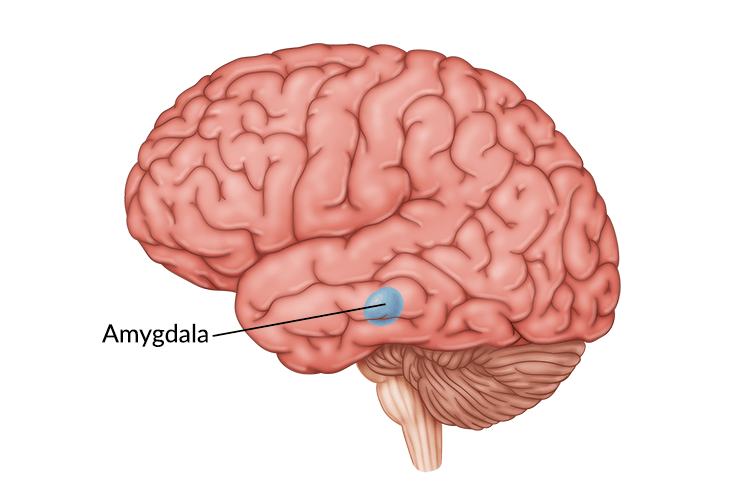
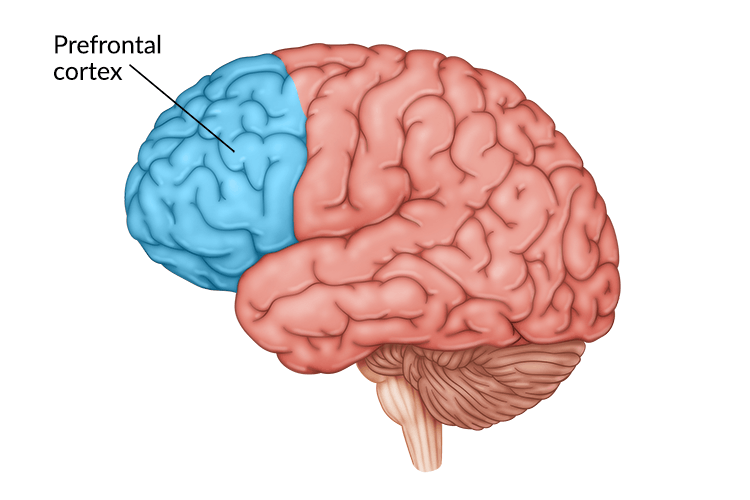
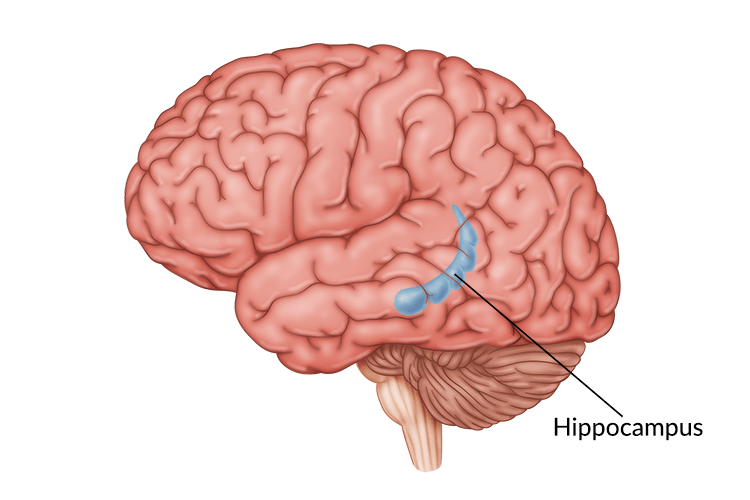
In the CNS, the amygdala processes emotion, when it detects triggers to the fear response, it leads to increased arousal and anxiety. The prefrontal cortex is in charge of decision-making and emotional regulation. During anxiety, activation in the prefrontal cortex can be increased as individuals try to control their anxious thoughts. The hippocampus is responsible for memory formation and contextualizing experiences. During anxiety, it works with the amygdala to connect emotional responses with specific memories, and its dysregulation can cause anxiety.
The ANS includes the sympathetic nervous system (SNS), and the parasympathetic nervous system (PNS), which are both active during anxiety. The SNS initiates a fight-or-flight response during anxiety, preparing the body for perceived threats, which causes physiological changes including increased heart rate, rapid breathing, and sweating. These responses prepare the body to either confront or flee from potential dangers. The PNS becomes less active in anxiety, causing constant arousal and making it difficult to relax.
The HPA axis plays an important role in the body’s response to stress. During anxiety, the HPA axis is activated, releasing cortisol, a primary stress hormone. A high cortisol level can intensify anxiety symptoms and extend stress, leading to a chronic state of anxiety.
How can we deal with anxiety?
There are several things you can do to calm your anxiety, including journaling, meditating, exercising, and therapy. These might sound very general, but have you really tried doing it?
I'm not telling you to run away from your problems, but avoiding places or situations may help prevent these feelings as well.
References
"Anxiety disorders - Symptoms and causes." Mayo Clinic, 2018, https://www.mayoclinic.org/diseases-conditions/anxiety/symptoms-causes/syc-20350961
"5 types of common anxiety disorders." NIH MedlinePlus, 2019, https://magazine.medlineplus.gov/article/5-types-of-common-anxiety-disorders
"What Is the Hypothalamic-Pituitary-Adrenal (HPA) Axis?" Verywellhealth, 2022, https://www.verywellhealth.com/hypothalamic-pituitary-adrenal-hpa-axis-5222557
"What are the parts of the nervous system?" National Institutes of Health, 2018, https://www.nichd.nih.gov/health/topics/neuro/conditioninfo/parts
Pictures
"Why is my anxiety worse at night and what can I do?" Counselling Directory, 2021, https://www.counselling-directory.org.uk/memberarticles/why-is-my-anxiety-worse-at-night-and-what-can-i-do
"Damage to the Amygdala: Understanding the Functions, Symptoms, & Treatments" Flint Rehab, 2022, https://www.flintrehab.com/damage-to-the-amygdala/
"Prefrontal Cortex Damage: Understanding the Effects & Methods for Recovery" Flint Rehab, 2023, https://www.flintrehab.com/prefrontal-cortex-damage/
"Hypothalamus Damage: Understanding the Causes, Symptoms, and Treatment" Flint Rehab, 2022, https://www.flintrehab.com/hypothalamus-brain-injury/
"How To Meditate: A Complete Guide To Mindfulness & Better Sleep" Puffy, n.d., https://puffy.com/blogs/lifestyle/how-to-meditate-a-complete-guide-to-mindfulness-better-sleep

請先 登入 以發表留言。